Our Services
Everything you need, all in one place. Explore our expert services designed to keep your spa running smoothly and your experience stress-free.
VIEW SERVICES





Boise, ID 83705
Mon-Sat: 10:00AM - 6:00PM
Sunday: 11:00AM - 4:00PM
(208) 468-8827
Get Directions

Meridian, ID 83646
Mon-Sat: 10:00AM - 6:00PM
Sunday: 11:00AM - 4:00PM
(208) 468-8827
Get Directions
Nampa, ID 83687
Mon-Sat: 10:00AM - 6:00PM
Sunday: 11:00AM - 4:00PM
(208) 468-8827
Get Directions

Twin Falls, ID 83301
Mon-Sat: 10:00AM - 6:00PM
Sunday: Closed
(208) 468-8827
Get Directions

Hailey, ID 83333
Mon-Fri: 9:00AM - 5:00PM
Sunday: Closed
(208) 726-8899
Get Directions
Guide to Hot Tub Prices
Guide to Hot Tub Prices
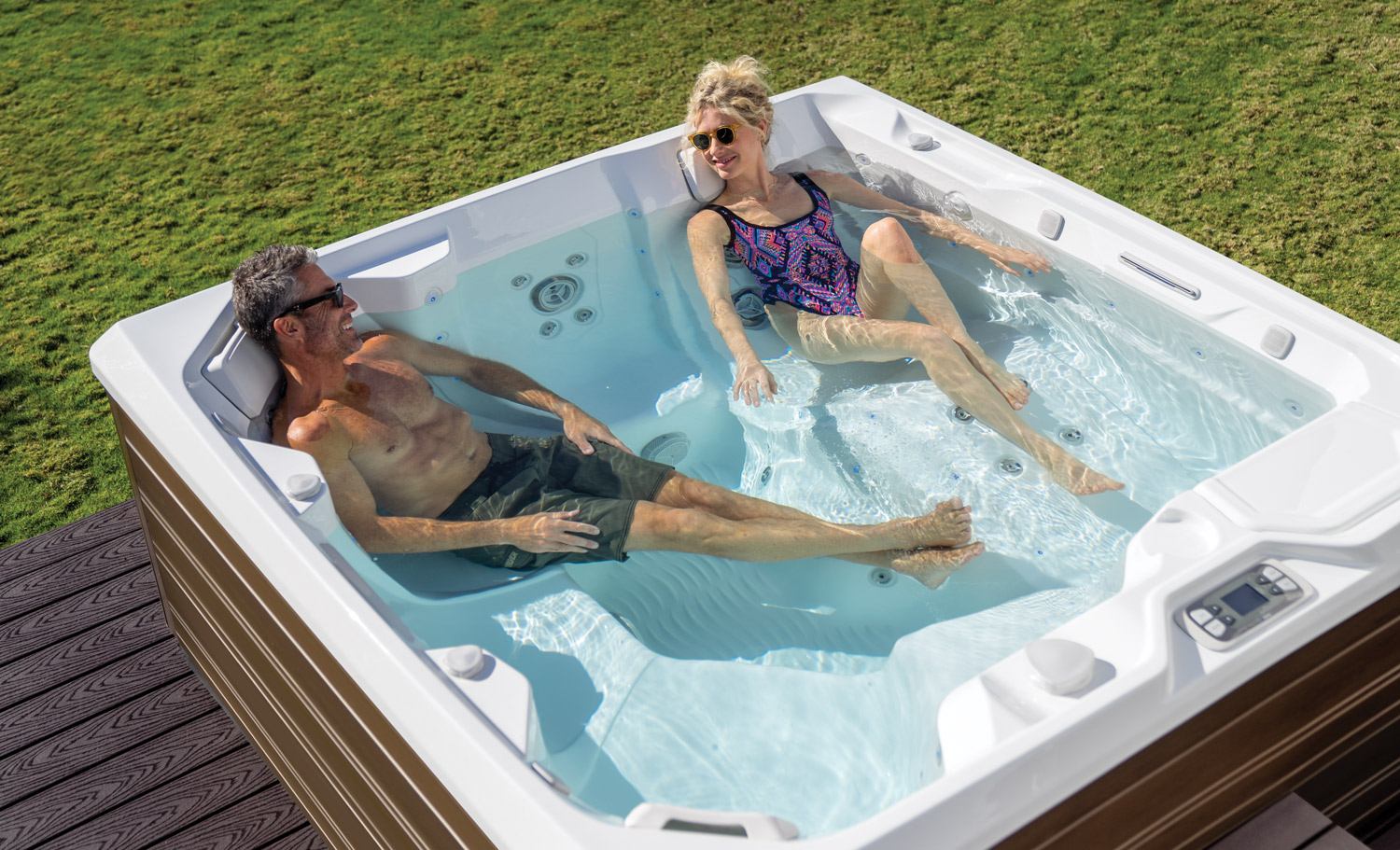
How Much Does a Hot Tub Cost?
We break down how much a hot tub is, give examples and talk about the cost to maintain a hot tub.
How Much Does the Average Hot Tub Cost?
The price of new hot tubs usually ranges from about $5,000 to $8,000. On the lower end, entry-level hot tubs can start at as low as $3,000 and luxury flagship models can fetch over $16,000.
While entry models can still start around $4,000, most quality acrylic spas now commonly fall between $8,000 and $15,000, depending on size, brand and features. Premium luxury models can exceed $18,000.
Many buyers comparing overall hot tub costs quickly realize that the purchase price is only part of the equation. The true hot tub cost should include installation, energy use, water care and expected lifespan maintenance. Looking at the full cost of hot tub ownership provides a much more accurate picture of long-term value.
It should be considered that more expensive spas may come with metal frames, improved insulation and more efficient heaters and filters. In the long term, this will reduce cost and extend the life of your hot tub.
Entry-Level Hot Tubs
$3,000 – $5,000
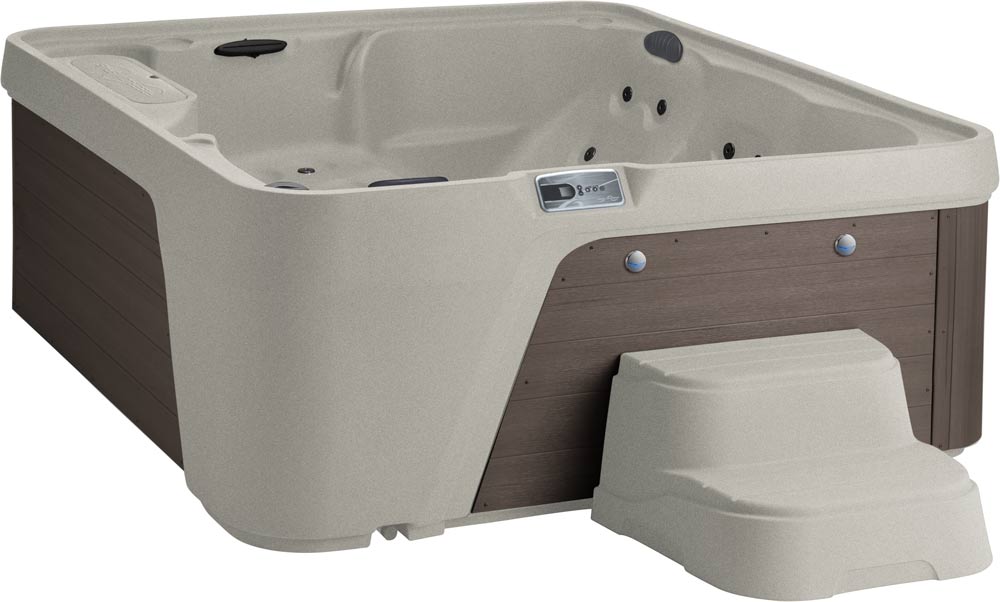
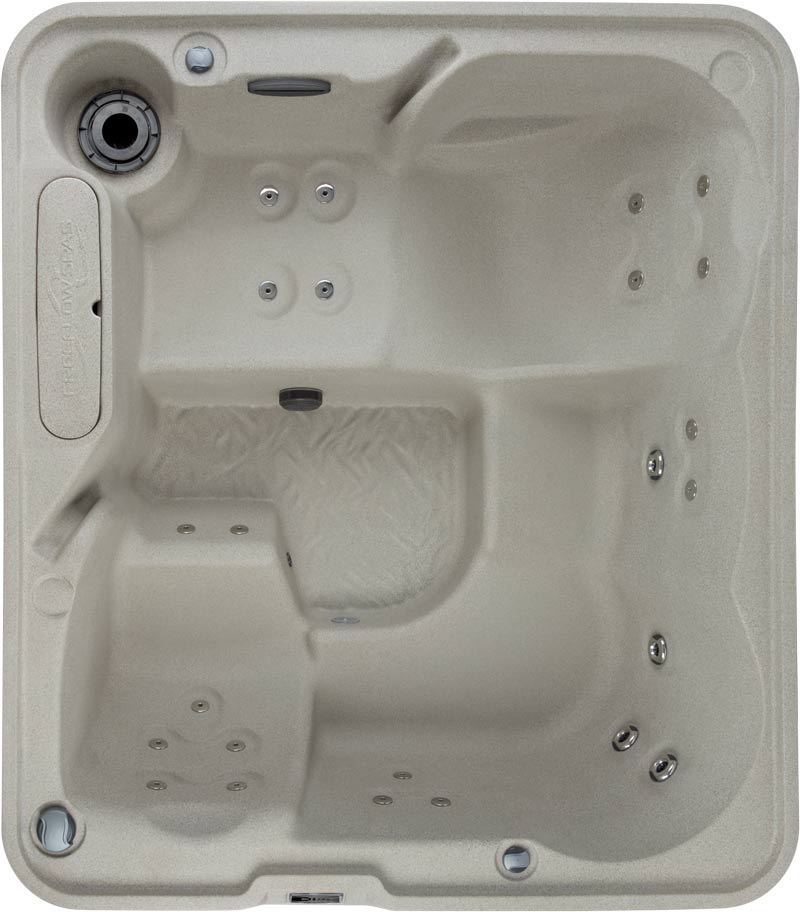
While spas in this price range usually offer a limited amount of features, they can still include lounge seating, multiple jets and enough room for a few people to relax.
Typically, spas in this price range are rotationally-molded – meaning the spa interior and exterior are formed out of a durable plastic. They look different than spas with shiny acrylic shells offered at higher price points. One benefit of a rotationally-molded spa? They are lightweight and easy to move. When shopping in this price range, expect to hear the term “plug and play,” which means that the hot tub only requires a 110V electrical connection. So, you will not incur additional electrical labor costs, and installation is a piece-of-cake. Fill the spa with a garden hose, plug it in and enjoy.
For shoppers wondering how expensive a hot tub at the entry level really is, these models remain the most affordable option. However, plug-and-play units may heat more slowly and can sometimes cost more to operate over time compared to fully insulated acrylic spas. Buyers focused on long-term efficiency should weigh upfront savings against ongoing performance.
Mid-Tier Hot Tubs
$4,500 – $9,000
Mid-tier hot tubs usually feature high-gloss acrylic shells, synthetic wood-like cabinets and a variety of features, like dozens of jets lining the spa seats. In this range, spa manufacturers are making trade-offs. In fact, this may be the most precarious price range for first-time hot tub shoppers. It’s important to consider the trade-offs.
Many homeowners researching the hot tub cost today are typically shopping in this mid-range category. Modern value-priced acrylic spas frequently fall between $8,000 and $13,000, depending on jet count, insulation quality and water care technology.
A manufacturer offering a hot tub in the value price range – with a lot of big shiny jets, impressive lighting, water features and other characteristics – may be compromising by not using quality components or performance features like insulation that keep energy costs low. Or they may not be investing in access to customer service and warranties.
On the other hand, another manufacturer of value-priced spas may focus on including high-quality components that allow for years of reliable hot tub performance. Their spa in this value price point may not have as many features, since they’re investing more in what’s “under the hood.”
This is one reason the cost of Hot Spring hot tub models and other premium brands may appear higher upfront. They often prioritize energy efficiency, durability and long-term reliability, which can lower lifetime ownership expenses.
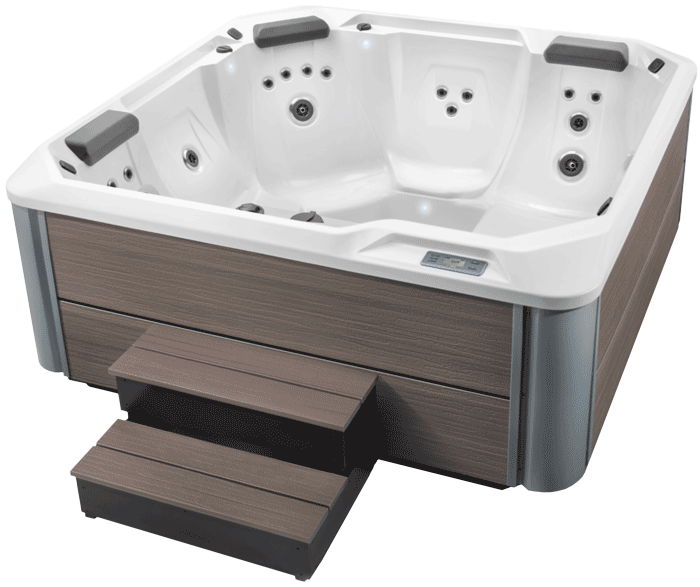
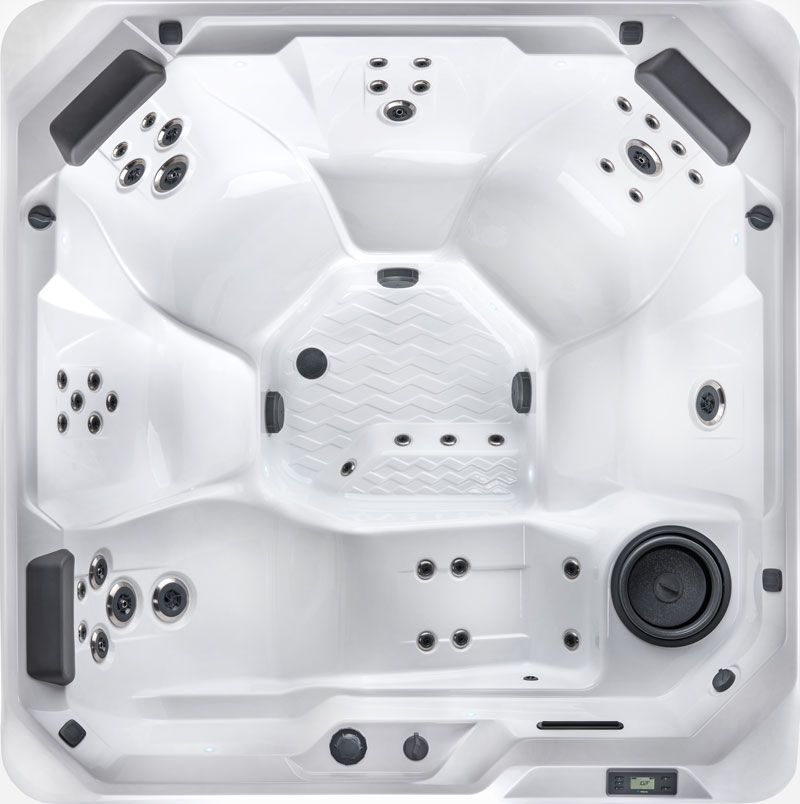
Flagship Hot Tubs
$7,000-16,000
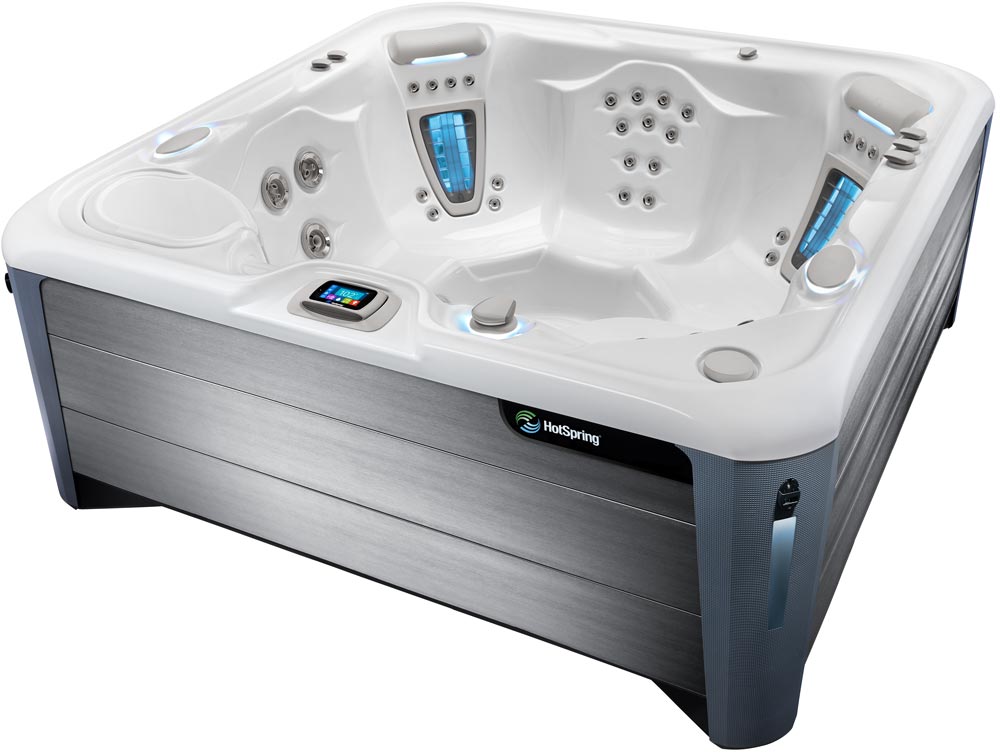
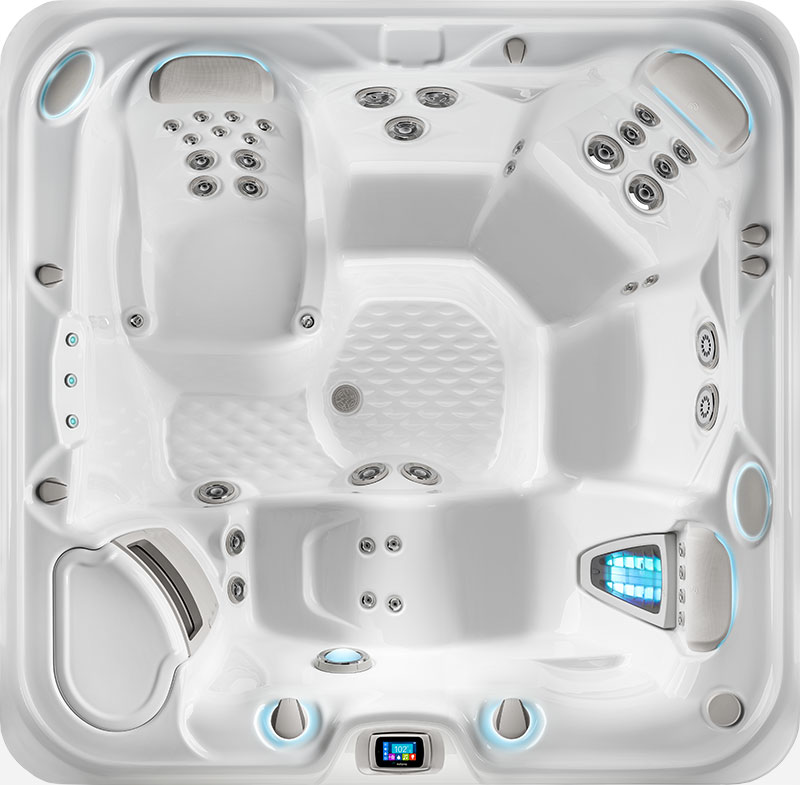
Flagship spas are the premium line of spas that a brand offers. Flagship models usually feature advanced jets, accent lighting, sound systems and more.
In today’s premium market, many flagship models start closer to $13,000 and can exceed $18,000 – $20,000 for fully equipped luxury spas with saltwater systems, smart monitoring and advanced hydrotherapy.
At this level, you are making the decision to invest more in the upfront price for a hot tub that will deliver exceptional long-term enjoyment. Expect very low energy costs, advanced low-maintenance water care options and a hot tub that will last 10-20 years!
In addition to the large variety of features, high-quality components and durable construction, you can also expect some very special features in a luxury spa. One-of-a-kind jet systems for the very best hydrotherapy massage, leading-edge design that makes the hot tub a beautiful backyard focal point, top-of-the line filtration for the cleanest spa water possible, and other innovations that help separate spas in this range from models in lower ranges.
When calculating your total outdoor hot tub cost, remember that premium insulation, dealer support and warranty coverage all contribute significantly to long-term satisfaction and ownership value.
Additional Costs to Consider
Many buyers focus only on the purchase price, but the total hot tub installed cost can include several additional factors, which should be planned for early in the buying process.
Your overall outdoor hot tub cost may include electrical work, delivery logistics, site preparation and optional accessories. While plug-and-play models can simplify setup, most acrylic spas require a dedicated 220V electrical connection installed by a licensed professional. Typical additional expenses may include:
- Electrical installation (often $500 – $1,500+)
- Delivery and placement
- Steps, cover lifter or accessories
- Concrete pad or spa base
Because of these variables, the average cost of a hot tub can vary significantly depending on your backyard setup and installation requirements.
Cost to Maintain a Hot Tub
The ongoing cost to maintain a hot tub is another important part of ownership. Fortunately, modern energy-efficient spas are designed to keep monthly expenses relatively manageable. Most homeowners typically budget for:
- Electricity
- Water care
- Filter replacements
- Occasional professional service
Most well-insulated models cost roughly $20 – $50 per month in electricity and about $20 – $40 per month for chemicals, depending on usage and climate. Higher-quality, fully insulated spas generally deliver the lowest operating costs over time.
FAQs – Frequently Asked Questions
Is owning a hot tub expensive?
Owning a hot tub is more affordable than many people expect. While the upfront hot tub cost varies by model, monthly operating expenses are typically moderate. Most owners spend approximately $40–$100 per month total on electricity, chemicals and routine care. Choosing an energy-efficient model is the biggest factor in keeping hot tub costs low over time.
What is the average cost of installing a hot tub?
Installation costs depend on your electrical setup and site preparation. Typical hot tub installation costs include:
- Electrical work: $500 – $1,500+
- Pad or base (if needed): $300 – $2,000
- Delivery/placement: often included
In total, many homeowners invest between $1,000 and $3,000 for professional installation.
Is it expensive to run a hot tub?
Not usually. Modern spas are built for efficiency. Most energy-efficient models add about $20 – $50 per month in electricity. Poorly insulated or older units may cost more, which is why build quality matters when evaluating the overall cost of hot tub ownership.
Does a hot tub raise the electric bill?
Yes, most homeowners see an increase of about $20 – $50 per month. Usage frequency, climate and insulation quality will all influence the final number.