









What Does It Really Cost to Run a Hot Tub in Winter?
There are few experiences as satisfying as stepping into steaming water while cold winter air surrounds you. Snow on the ground, crisp air on your face and deep warmth relaxing your muscles. This is where hot tub ownership truly shines. Yet many homeowners hesitate to enjoy their hot tub once temperatures drop, worried about energy costs, maintenance issues or whether winter use is even safe.
The truth is that a hot tub in winter is not only possible; it’s often the best time to use it. With modern insulation, efficient heaters and smart maintenance habits, winter operation is far more manageable than most people expect. Rather than viewing winter use as an expense, it helps to see it as a wellness investment. One that pays off in relaxation, recovery and year-round enjoyment.
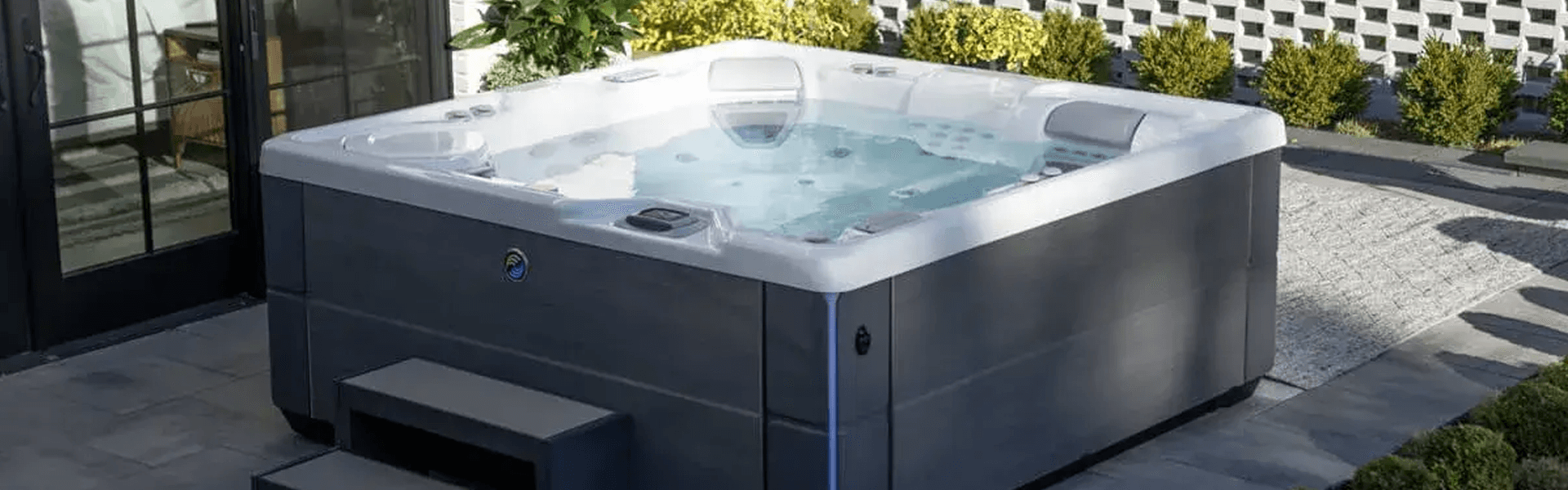
How Much Does It Cost to Run a Hot Tub in Winter?
Running a hot tub during winter typically costs between $30 and $100+ per month, depending on local electricity rates, ambient temperature and how often the spa is used. Well-insulated modern tubs tend to stay near the lower end of that range, even in colder climates.
This cost often sounds higher than summer operation, but context matters. Spread across daily use, the cost of a hot tub during winter often equals just a few dollars per soak, comparable to a specialty coffee or streaming subscription. For many owners, the comfort and health benefits far outweigh the incremental utility cost.
What influences winter operating costs most?
- Insulation quality of the cabinet and shell
- Local electricity rates (kWh pricing varies widely)
- Outdoor temperature and wind exposure
- Frequency and duration of use
A properly covered, energy-efficient hot tub setup for winter is designed to retain heat even in freezing conditions.
The Efficiency Question: Leave It On or Turn It Down?
One of the most common winter questions is whether it’s cheaper to turn the spa down between uses. In most cases, the answer is no.
Reheating cold water requires more energy than maintaining a steady temperature. For that reason, it’s generally more efficient to keep your hot tub or Jacuzzi in winter at a consistent setting throughout the season. Many owners choose a slightly reduced “ready temperature” and raise it before use.
Modern spas also include freeze protection modes, which automatically circulate water and activate heaters when temperatures drop, making hot tub winter use far more convenient than in the past.
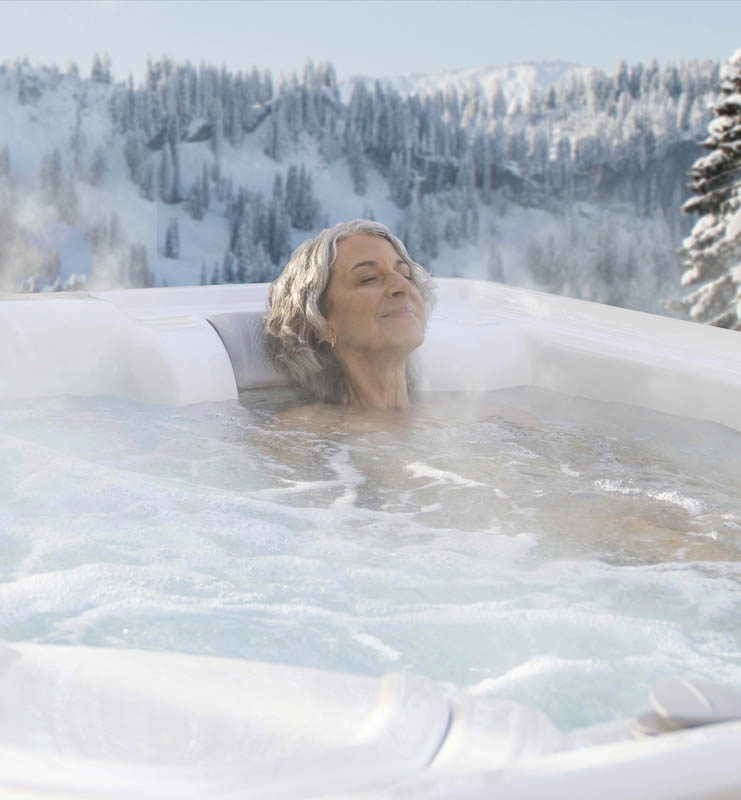
Can You Use a Hot Tub in the Winter?
Yes, absolutely. In fact, winter is when many owners use their hot tub the most. Whether it’s an outdoor hot tub or a sheltered spa on a deck or patio, cold air in winter does not damage a properly maintained hot tub. The water stays warm, plumbing is protected and components are engineered for year-round operation. Safely using a hot tub in the winter simply requires:
- Keeping the water at a safe soaking temperature (usually 100-104°F)
- Entering and exiting carefully to avoid slips
- Maintaining proper water chemistry
Smart Ways to Reduce Winter Energy Loss
Winter efficiency is less about turning the heater up and more about preventing heat from escaping. The hot tub cover actually matters most. A high-quality, well-fitting cover is the single most important efficiency component. A waterlogged or poorly sealed cover allows heat and steam to escape rapidly, driving up energy use. Additional efficiency upgrades are:
- Floating thermal blankets reduce evaporation
- Windbreaks or privacy screens limit wind chill
- Insulated base pans prevent heat loss to frozen ground
These small adjustments can significantly reduce hot tub winter maintenance costs without sacrificing comfort.
Winter Hot Tub Maintenance: Simple but Essential
Maintaining a hot tub in winter doesn’t require more effort, just consistency. Key winter care practices include:
- Maintaining proper water levels so circulation works correctly
- Cleaning filters regularly to keep heaters efficient
- Removing snow gently from the cover (never shovel)
- Keeping walkways safe with non-salt traction solutions
These steps help protect your investment while ensuring your hot tub winter use remains worry-free.
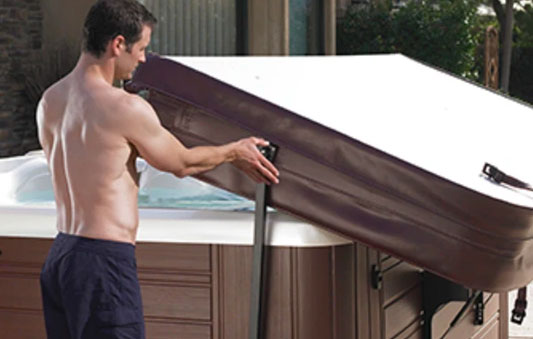
How to Winterize a Hot Tub (When You’re Not Using It)
If you plan to stop using your spa for an extended period during the colder months, learning how to winterize hot tub systems correctly becomes critical. Winterization protects plumbing, pumps and fittings from freeze damage that can occur when water expands inside the lines.
Proper winterization involves fully draining the hot tub, blowing out all plumbing lines to remove trapped water, removing and storing filters indoors and securing the cover to prevent heat loss and moisture intrusion. In some cases, spa-approved antifreeze may be used, but only when recommended by the manufacturer or service professional. Cutting corners during this process can lead to costly repairs once temperatures drop.
How much does it cost to winterize a hot tub?
Professional winterization typically costs between $150 and $400, depending on the size of the hot tub, plumbing complexity and local service rates. While it may be tempting to handle winterization yourself, improper preparation often leads to freeze damage that far exceeds the upfront service cost.
Hot Tub Winter Myths Debunked
- One of the most common misconceptions is that every spa must be drained for winter. In reality, draining is only necessary if the tub will sit unused for long periods.
- Another myth is that winter operation is prohibitively expensive. Yet, efficient modern hot tub models are specifically designed to be kept outside in winter and costs are definitely manageable.
- Finally, some believe hot tubs are not built for freezing temperatures, yet today’s spas are engineered for year-round performance, even in harsh climates.
Why a Hot Tub Is a Winter Wellness Investment
Winter takes a toll on both the body and mind. Cold temperatures often increase muscle stiffness, joint discomfort and daily stress, which is exactly where warm water therapy shines. Regular soaking during colder months helps relax tight muscles, improve circulation and relieve physical tension that builds up during winter.
Beyond physical relief, winter hot tub use also supports mental well-being. Shorter days and reduced outdoor activity can contribute to low mood, while time spent soaking provides calm, connection and a break from screens. For many owners, the hot tub advantages are most noticeable during winter, when few other activities offer the same combination of comfort and recovery.
Is Using a Hot Tub in Winter Worth It?
When viewed only as a utility expense, winter spa use can seem intimidating. However, when considered as part of a healthy lifestyle, the value becomes clear. A hot tub outside in winter offers daily stress relief, physical recovery and moments of quiet enjoyment that are difficult to replicate indoors.
At Snake River Pool & Spa, our goal is to help you enjoy your hot tub year-round – comfortably, efficiently and with complete confidence.
FAQs – Frequently Asked Questions
How expensive is it to run a hot tub in winter?
Most hot tubs cost between $30 and $100+ per month to run in winter, depending on insulation quality, energy rates and usage habits.
Does a hot tub use a lot of electricity in the winter?
Winter use increases energy demand slightly, but modern insulated spas are designed to retain heat efficiently and control electricity usage.
Can I use a hot tub in the winter?
Yes. Not only is it safe, but many owners consider winter the best season for hot tub enjoyment.