Our Services
Everything you need, all in one place. Explore our expert services designed to keep your spa running smoothly and your experience stress-free.
VIEW SERVICES




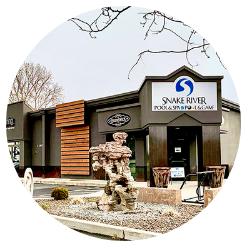
Boise, ID 83705
Mon-Sat: 10:00AM - 6:00PM
Sunday: 11:00AM - 4:00PM
(208) 468-8827
Get Directions
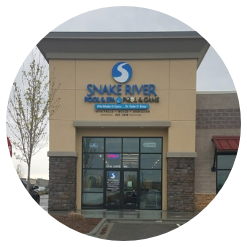
Meridian, ID 83646
Mon-Sat: 10:00AM - 6:00PM
Sunday: 11:00AM - 4:00PM
(208) 468-8827
Get Directions
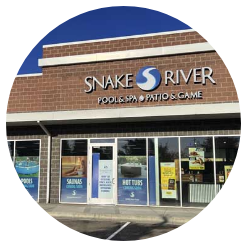
Nampa, ID 83687
Mon-Sat: 10:00AM - 6:00PM
Sunday: 11:00AM - 4:00PM
(208) 468-8827
Get Directions
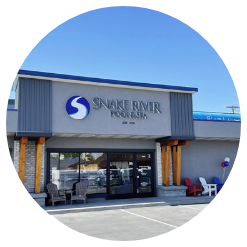
Twin Falls, ID 83301
Mon-Sat: 10:00AM - 6:00PM
Sunday: Closed
(208) 468-8827
Get Directions
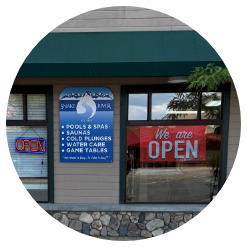
Hailey, ID 83333
Mon-Fri: 9:00AM - 5:00PM
Sunday: Closed
(208) 726-8899
Get Directions
Cold Plunge Q&A: How to Cold Plunge
Cold Plunge Q&A: What Beginners Need to Know

Add Vigor and Vitality to Your Day with Cold Plunging
For decades, competitive athletes have used ice baths in their recovery and general wellness routines. Now, cold plunges have expanded beyond the world of professional sports to become a popular tool for anyone looking to perform at their best, whether at work, at home or in everyday life.
By making cold plunges part of your wellness routine, research suggests you might experience many benefits of cold plunge practices like enhanced mood & energy levels, improved muscle recovery and relief from muscle soreness. These cold plunge health benefits have made cold therapy a popular recovery and wellness practice.
In addition to aiding physical wellness and recovery, an icy dip refreshes and resets your mind. Just a few minutes of cold therapy a week can sharpen focus, build resilience and give you the energy to take on life’s challenges with a clear mind and vitality.
Ready to learn more about the mind-, body- and mood-enhancing benefits of cold plunge routines? This guide has you covered. We’ll walk you through how to cold plunge, what you need to get started and the recommended cold plunge temperature and time to create a safe, effective routine.
The Power of Cold: Why Cold Plunging Works
Whether you’re looking to improve recovery after exercise, build resilience or deliver an extra dose of vitality, cold therapy can help. Insights from the Huberman Lab at Stanford University indicate that cold exposure can benefit both the brain and body. Here’s how regular cold exposure can elevate your wellness routine in just a few minutes a week:
Aid in Muscle Recovery and Soothe Soreness
Cold exposure lowers tissue temperature and decreases pro-inflammatory cytokines, benefiting muscle recovery. Whether you’ve just finished an intense workout or a long day on your feet, a cold plunge can reduce soreness and help get you back to your favorite activities, faster.
Many athletes also debate whether a cold plunge before or after workout is best. Most experts recommend cold exposure after training to support recovery and reduce inflammation.
Boost Mood, Focus and Mental Acuity
A study published by The Journal of Neuropsychiatry and Clinical Neuroscience suggests that cold plunging can naturally boost neurotransmitters like norepinephrine and dopamine, which are linked to enhanced mood, motivation and mental sharpness.
These neurological responses are one of the key cold water advantages associated with cold therapy. Many cold plungers report feeling a sense of euphoria and vigor that helps them be and feel their best for hours post-plunge.
More Energy to Tackle the Day
Cold plunges can invigorate your body by enhancing its natural cooling processes, helping you feel more alert and recharged. Depending on your personal sensitivity to cold and overall health, it may leave you feeling refreshed, revitalized and ready to take on the day.
Strengthen Resilience to Stress
Cold immersion is like a workout for your nervous system. A study published in the International Journal of Environmental Research and Public Health supports the hypothesis that by consistently exposing yourself to the cold in a controlled environment, you train your body and mind to handle stress more effectively. Cold therapy can help you feel calmer and more in control, in and out of the water. Over time, pushing past mental hurdles in cold water can translate into greater resilience in daily life.
Some research also suggests potential cold plunge benefits for women, including improved circulation, mood balance and recovery after exercise.
Getting Started: What to Know Before Doing a Cold Plunge
Before you take the plunge, be sure to set yourself up for success. If you’re learning how to cold plunge, preparation is key. Before getting started with a cold plunge, it’s important to understand your body and your limits. Start gradually and learn how long to cold plunge safely. Cold exposure should be uncomfortable but manageable, never overwhelming.
If you have certain health conditions, including cardiovascular concerns, consult your doctor before starting cold therapy.
- A cold plunge tub – A dedicated cold plunge, like the Hot Spring Spas Vigor™ Cold Plunge, ensures optimal temperature control and ease of use.
- An electrical connection – If using a powered plunge tub, make sure you have a proper electrical setup.
- A robe or warm clothes – Your body will need to warm up afterward. Have a cozy robe, towel or even a heated blanket ready.

Making Cold Plunging Part of Your Routine
Incorporating cold plunging into your wellness regimen can provide incredible benefits — but the key is consistency. Whether you’re an athlete looking to recover faster, someone seeking a mental reset or just curious about the hype, starting small and building up gradually is the best and safest way to benefit from this refreshing wellness ritual.
Cold Plunge Q&A: What Beginners Need to Know
Is cold plunging actually good for you?
Yes. Many people experience a variety of cold plunge health benefits, including improved circulation, reduced muscle soreness, increased alertness and enhanced mood. These benefits of cold plunge practices are the reason cold therapy has become a widely used recovery and wellness strategy.
What’s the best way to start cold plunging?
Start slowly to allow your mind and body to become accustomed to the cold water. Begin with water temperatures between 45-60ºF and limit your first few times to 1-2 minutes. As your body becomes more comfortable in the water, you can gradually extend your duration and lower the temperature.
How long should I stay in the water?
Everyone has a different tolerance to the cold. Listen to your body and give yourself time to get used to your new wellness practice. Here are recommended durations for different cold plunge experience levels.
- Beginner: Start with 1-2 minutes at a comfortable temperature (about 60ºF).
- Intermediate: Work your way up to 2-3 minutes as tolerance builds.
- Advanced: Many plungers aim for 3-5 minutes and may do a couple of sessions back-to-back, warming up in between.
- Whether you’re taking the plunge for the first time or the fiftieth, always pay attention to your body and don’t push yourself. If you experience shivering, numbness, dizziness, headaches or neck pain, exit the water and allow your body to slowly come back to its normal temperature.
How often should I cold plunge?
Beginners should start with 2-4 sessions per week, gradually building tolerance. To start, aim for a total of 11 minutes per week to provide optimal benefits while minimizing the risk of overexposure. Consistency is key. Regular practice will help your body adapt and allow you to maximize results.
What temperature should the water be?
When it comes to water temperature, start slow and work your way down over time. Colder isn’t always better — it’s important to find the balance between maximizing wellness benefits and finding a temperature that your body can tolerate.
- Beginner: Start at 50-60ºF to allow your body to adapt.
- Intermediate: Progress to 45-50ºF, as you become more comfortable.
- Advanced: Some experienced plungers go as low as 40ºF, but it’s important to lower temperatures gradually and stay within your tolerance.
What are common cold plunge mistakes?
Common mistakes when starting cold plunges include:
- Staying in the water too long
- Using water that is too cold too quickly
- Ignoring how your body feels
- Skipping proper warm-up afterward
Understanding how long to cold plunge and choosing the correct cold plunge temperature can help you avoid these mistakes.
How can you make cold plunging easier?
Mentally reframe the experience by thinking of the initial discomfort as an opportunity to build calmness and resilience. Use slow, rhythmic breathing techniques to help you manage the shock and acclimate yourself to the cold. Deep inhalations through the nose followed by slow, controlled exhales can help regulate your response. If the cold feels overwhelming at first, start at the higher end of the temperature range, around 55-60ºF, and gradually work your way lower.
The time will pass quickly! Step out of the plunge with a strategy for warming up, such as wrapping up in a thick towel or robe, slipping into a hot tub or sauna, or sipping on a warm drink.
How can you enjoy a cold plunge safely?
Listen to your body. Cold exposure should be challenging, but it shouldn’t feel overwhelming. Gradual adaptation is the safest approach. It’s always wise to consult your doctor before taking on a new wellness activity.
- Watch for warning signs. If you feel lightheaded, experience numbness or start uncontrollably shivering, exit immediately.
- Exit carefully. Cold water can affect coordination and muscle control. Move slowly and cautiously when stepping out.
- Warm up properly. Avoid sudden temperature changes immediately after plunging. Instead, dry off and change out of your wet swimsuit, put on a warm robe or comfortable clothing, and move your body gently to generate body heat.
- Consider having someone nearby while you plunge to step in if you need help, either for moral support or physical reasons.
Refresh, Reset and Rejuvenate in Just Minutes a Day!
Cold plunging can be a quick and effective way to elevate your recovery, resilience and vitality. Whether you’re an athlete striving for peak performance, a busy professional in need of a mental reset or a wellness enthusiast looking to enhance your overall health, adding cold plunging to your routine can be a game-changer. By committing to a regular practice, focusing on breath control and having a well-balanced wellness routine, you can unlock a healthier, happier and more energized version of yourself.